Kati Bihu, also called Kongali Bihu, the Bihu of want, is the quietest and most inward of the three Bihus, kept in the middle of the Assamese month of Kati around the middle of October. It falls at the hardest point of the rice year, when the old store of grain has been used up and the standing paddy is still green and weeks from ripe, and its whole observance is austere to match that condition. There is no feasting and no dancing, none of the drums and husori singers of the spring festival nor the great fires and communal meals of the winter one. In their place there are only small lamps lit against the dark and a murmured prayer over the unripe crop. Where the other two Bihus celebrate an act that is finished, seed in the ground or grain in the barn, Kati keeps watch over one still in suspense, and its mood is hope and apprehension rather than plenty.
The lean-season frame
The character of Kati Bihu, like that of the other two, is set entirely by its place in the agricultural year. It comes at the leanest turn of the cycle, when the granary is empty and the new harvest has not yet come, and the paddy stands in the field at its most vulnerable with the household's whole fortune hanging on its ripening. The name Kongali, of poverty, names this precise condition. The spring Rongali Bihu is the joy of sowing and the winter Magh Bihu is the celebration of the full barn, but Kati Bihu confronts the empty one, and it is the middle Bihu in feeling as much as in the calendar. It falls between the sowing that Rongali marks and the reaping that Magh marks, and it holds the anxious weeks in between, when nothing can yet be gathered and everything can still be lost to blight or flood or pest.
The festival is not the Assamese Hindu community's alone, and the shape it takes across the valley shows how directly it grows from the shared rice calendar rather than from any one creed. The same lean-season observance is kept under its own name by other peoples of the region. The Bodo call it Kati Gasa and light their lamp at the foot of the sacred siju plant rather than the tulsi, and the Dimasa keep it as Gathi Sainjora. That a Hindu, a Bodo and a Dimasa household should all light a small flame over an unripe field in the same week, each in the name of its own gods, is the clearest sign that the festival answers to the land before it answers to any religion. The Hindu forms of worship laid over it, the tulsi and the goddess Lakshmi, are a later layer upon an older agrarian rite.
The lamp at the tulsi
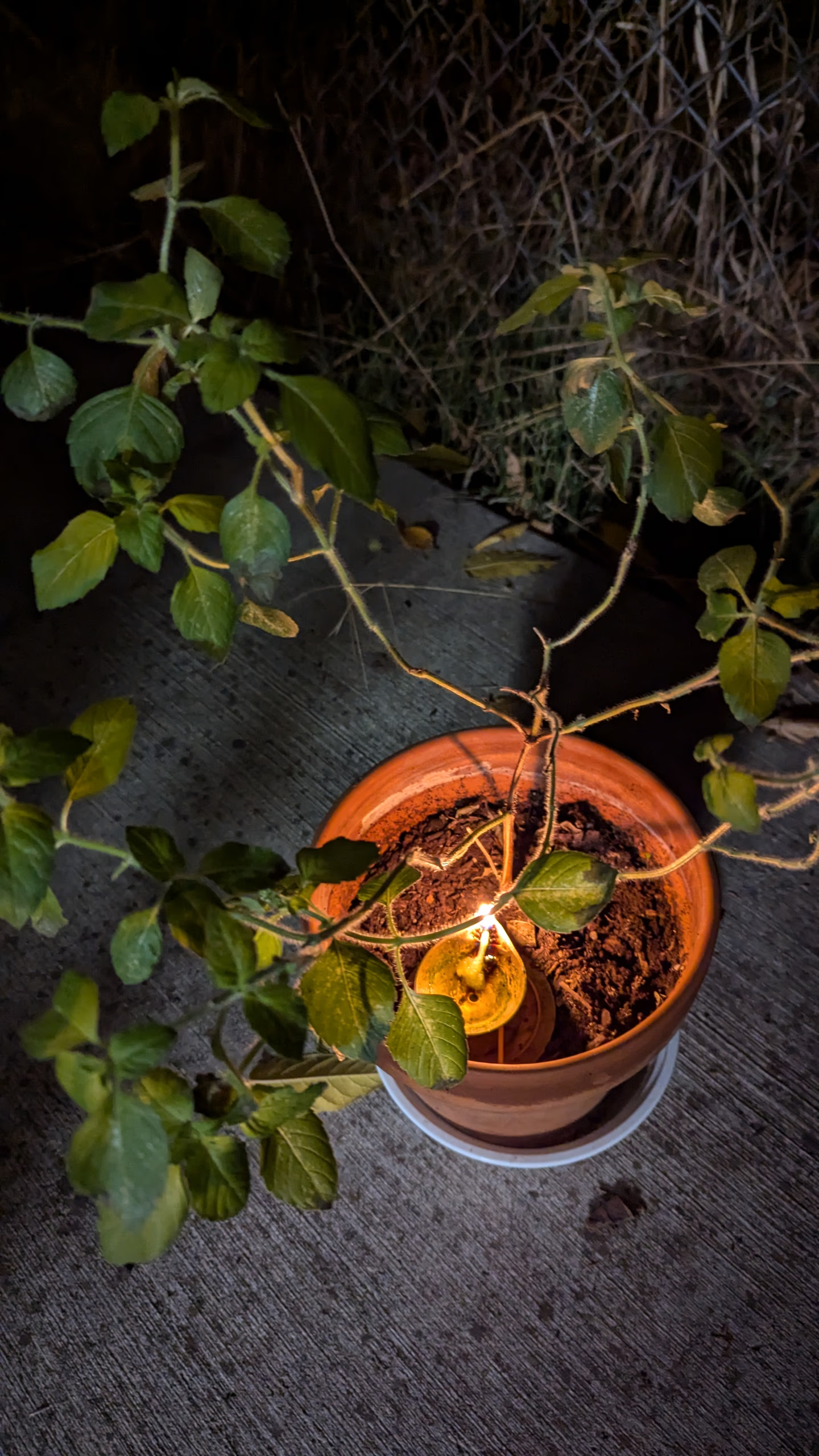
The gentlest act of the festival takes place at home, at dusk. The household tulsi, the holy basil that grows on its raised earthen platform, the tulsi bheti, is cleaned and tended, and an earthen lamp, the saki, is lit before it as the family gathers to pray for the welfare of the house and a good harvest to come. The prayer is addressed by tradition to Tulsi herself, and in many households also to Lakshmi, the goddess of plenty, in a season when plenty is exactly what is wanting. The choice of the tulsi is not incidental, for the whole month of Kati, the Kartik of the wider Hindu year, is the month in which the basil is most honoured across northern India, and the Assamese festival draws that devotion into its own agrarian frame. The lamp is not lit at the tulsi alone. Saki are set at the granary, in the kitchen garden, the bari, and out among the paddy as well, so that the small flames stand through the household's whole world of cultivation on the one evening of the year when there is least to spare for them. In the evening the cattle too are remembered and fed with rice cakes, the pitha of the season.
The akax-banti over the field
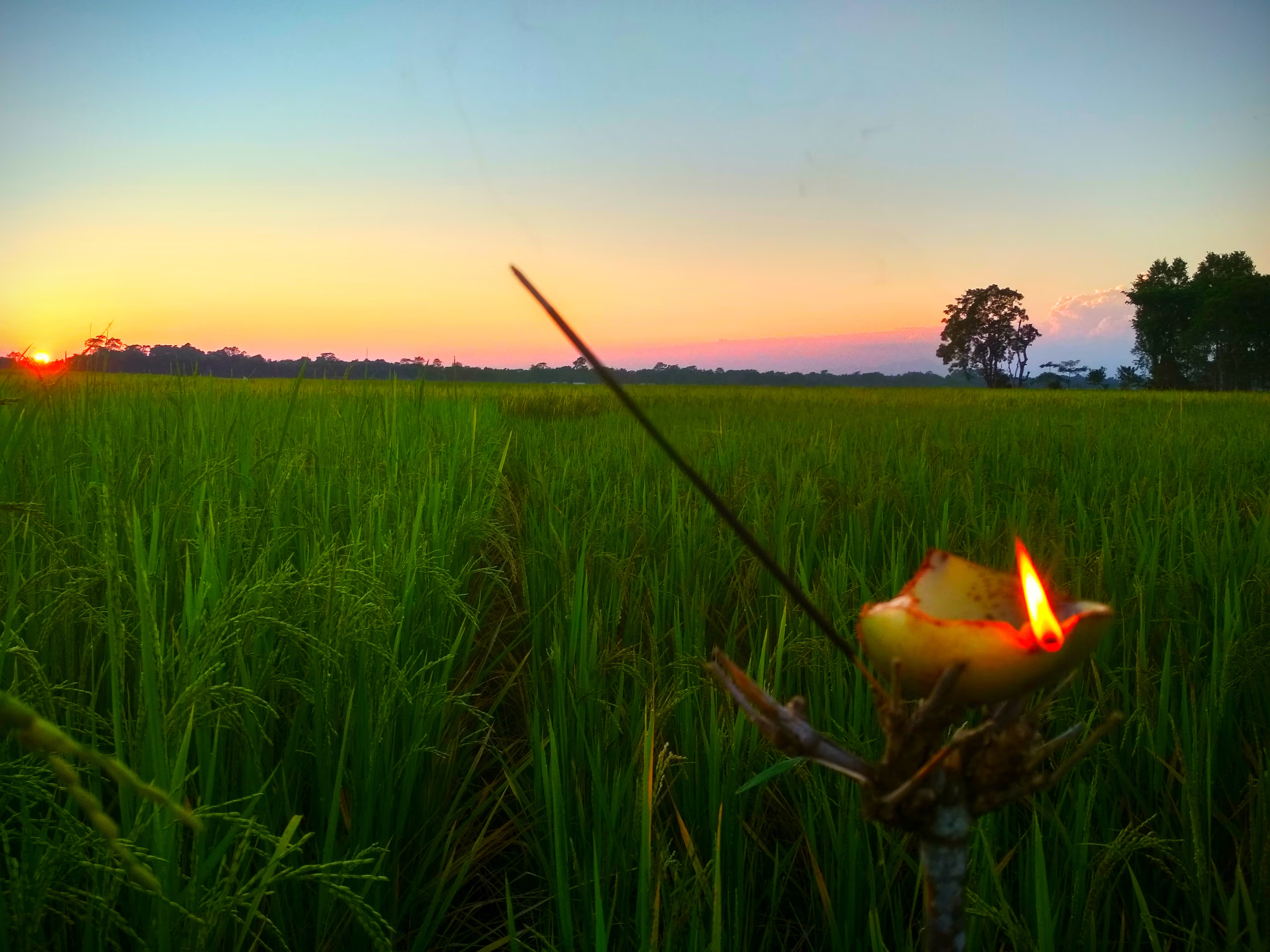
The most striking image of the festival stands out in the paddy itself, where the farmer raises the akax-banti, the sky lamp, an earthen lamp fed with mustard oil and hoisted to the top of a tall bamboo pole above the ripening rice. In folk understanding the field-lamp is a guardian. Its flame draws the insects of the night away from the crop and burns them, acting as a kind of living insecticide, and with them it is thought to draw off blight and ill fortune from the field. The prayer that goes with it is addressed to the guardian of the paddy, for its safe ripening, and alongside the lamp the farmer whirls a piece of split bamboo over the crop and recites the rowa-khowa chants, the spells that turn away pests and the evil eye. There is an older belief woven through the same flame as well, that the sky lamp lights the path for the spirits of the dead, who are thought to pass at this season and to be shown their way by the light set high above the fields. Between the guarding of the living crop and the guiding of the departed, the single lamp on its pole carries the whole meaning of the festival, a point of light set deliberately against the dark of the lean months.
The third face of Bihu
Together the three Bihus give the Assamese year its emotional shape, the joy of sowing in spring, the abundance of harvest in winter, and in Kati the anxious patience of the season of want. Kati alone among the three keeps no music, no dance and no feast, for the exuberant Bihu dance and its drum belong to Rongali and the great communal eating belongs to Magh. What Kati holds instead is the single flame, at the tulsi and out in the field, and the quiet prayer, and that restraint is not a poverty of the festival but its truest expression, the honest face of a calendar built directly on the rice field with almost no feast to soften it.
Its origins lie in this agrarian condition rather than in any founding legend. There is no hero, no presiding god and no dated event at the root of Kati Bihu, only the rice field and its calendar, and this sets it apart from the festivals that trace themselves to a myth or a founder and explains its deep restraint. It belongs to the working round of the valley that Praphulla Datta Goswami traced through the Bihu songs, where the festivals mark not sacred history but the turning of the year, and of that round Kati is the pause, the held breath between the seed and the harvest, kept over with a lamp and a prayer until the paddy at last comes ripe.